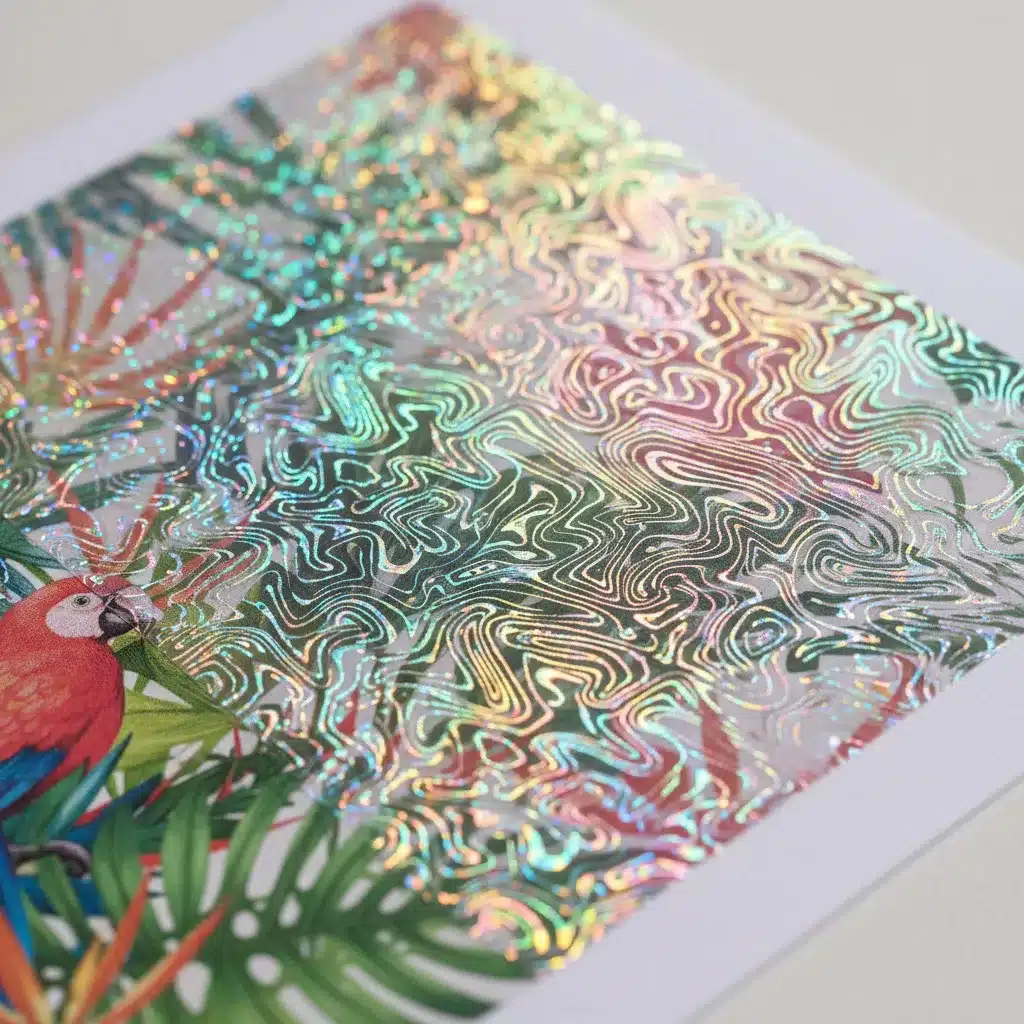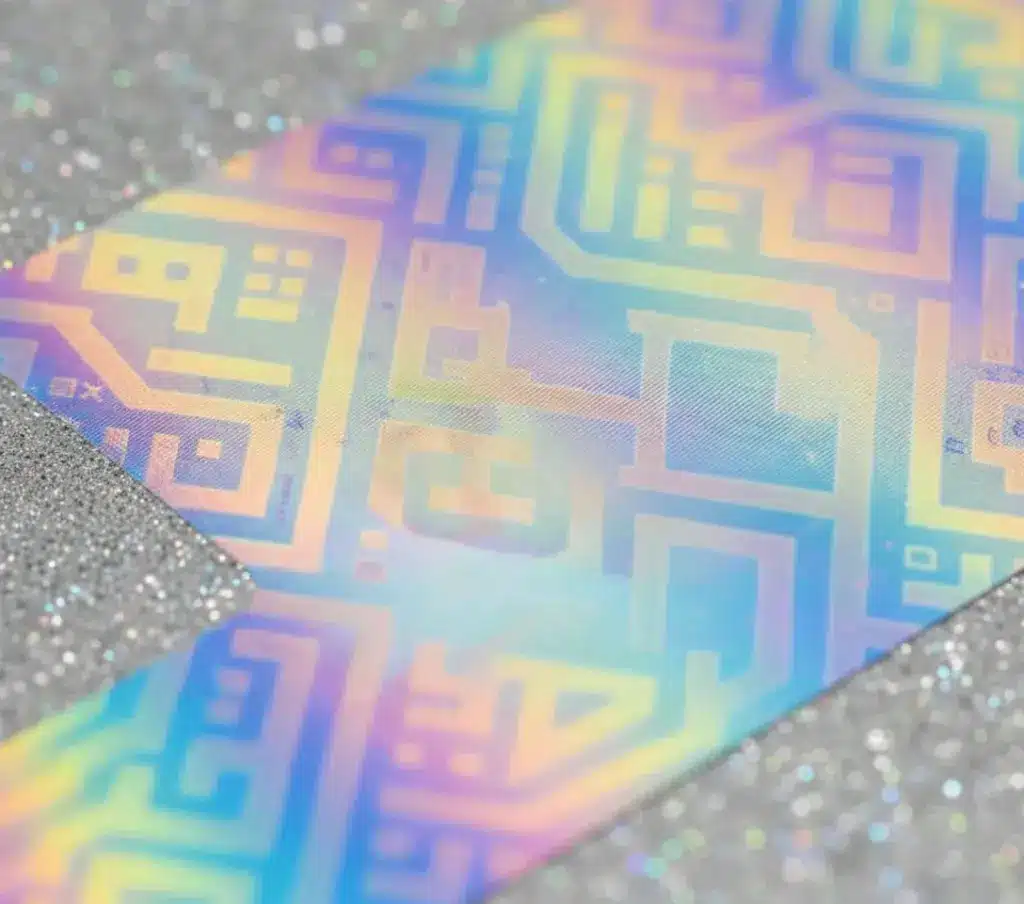

Examples where(on) the technique is often used and what it can be perfect for. Of course, these are pure examples: the possibilities are endless. Be creative!
Fragrance inks add an extra sense to printed materials: the ability to smell. One of the best-known applications is scratch-and-sniff, which releases a specific aroma as soon as the applied scented surface is touched with a finger or nail. This makes printed matter not only visually attractive, but also interactive and tactile. Especially when scent plays an important role in the buying decision process, this technique can make all the difference. Think of promotions in the food industry, cosmetics or perfumery. A scent leaflet with scratch surfaces is an effective way of mass marketing and an ideal way to introduce a new fragrance to a large audience.
The technique works by using transparent microcapsules that contain a specific odour. These capsules are applied to the printed material and protected by a durable, odourless protective layer. As soon as the surface is lightly scratched, the capsules break open and the scent is released. The great advantage is that the fragrance surface can be used several times and for a long time, without losing the quality of the fragrance. This allows the recipient to experience the aroma repeatedly, which increases memory and engagement.
When applying fragrance inks, there are some conditions to ensure the right fragrance experience. Many scents are immediately recognisable, but for more subtle scents, it is wise to also print an image or reference to the product, so that the message remains clear. It is also important to take into account the ink used for printing: with weaker scents, a strong offset scent can dominate the experience. Therefore, Silkscreen Holland recommends using low-odour or even odour-free inks for best results. This creates printed matter that appeals to all senses and leaves a lasting impression.